
How AI Just Made Influencer Agencies Obsolete (And What You Should Do Now)
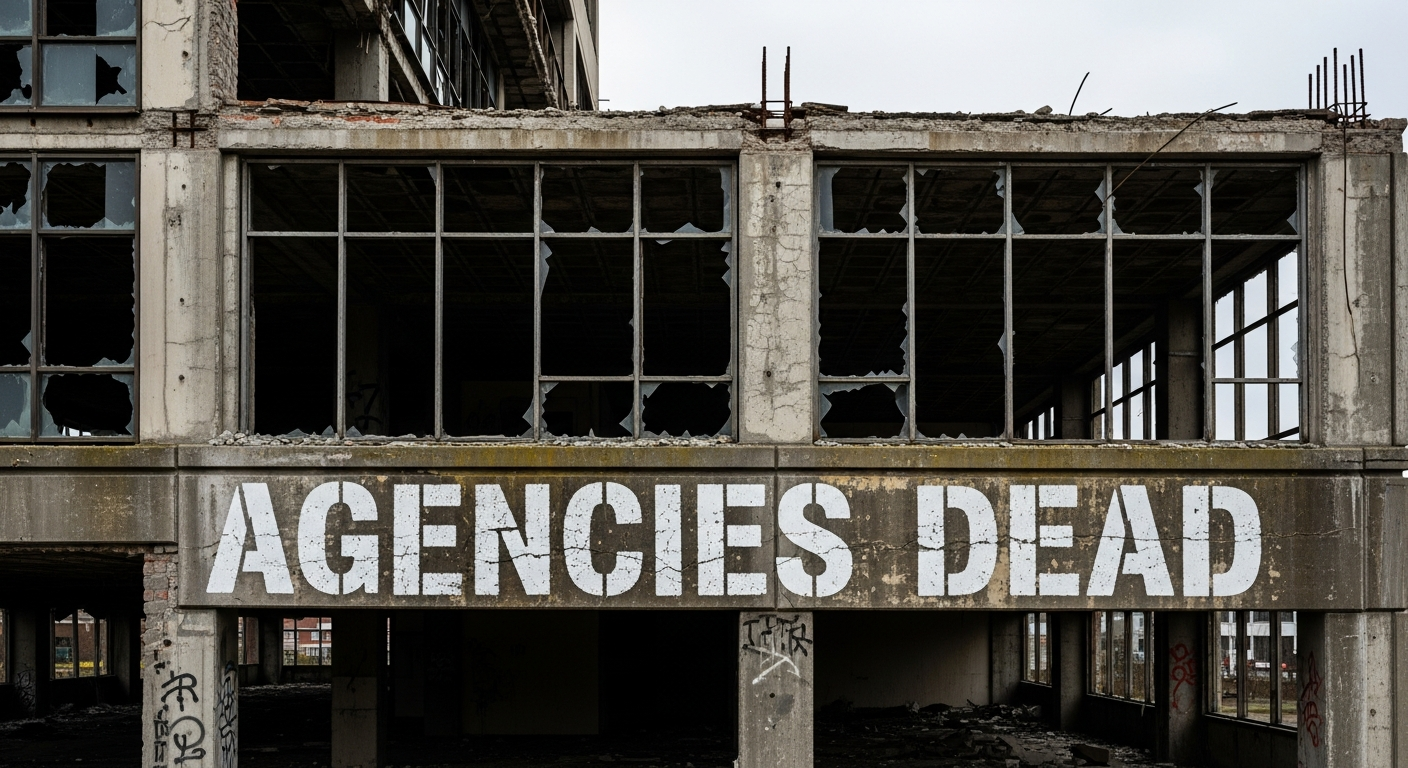
Your influencer marketing is broken. Not because influencers don’t work — they do. But because you’re still hiring agencies to find them.
Here’s what’s happening: AI platforms are now automating the entire discovery, vetting, and deployment process. Brands are finding the right creators in hours instead of months. They’re working with 50-100 micro and nano-influencers instead of 5 big names. And they’re paying a fraction of what agencies charge.
The old playbook — find an influencer agency, brief them, wait 4-6 weeks, pay 30% commission — is dead. What’s replacing it is smarter, faster, and way more effective.
Why Influencer Agencies Are Suddenly Vulnerable
For 15 years, influencer agencies were the bottleneck. They had relationships. They had the Rolodex. They knew which creators would actually post your product. Brands paid them because there was no other way.
That’s over.
AI is doing what agencies did — finding creators who match your audience, vetting engagement quality, checking audience alignment, running outreach, and measuring results — except it’s doing it for 1/10th the cost and 10x the speed.
And here’s what matters: the creators you find through AI tend to convert better. Why? Because you’re not finding the biggest names — you’re finding the most relevant ones. Micro-influencers with 10K-50K engaged followers outperform mega-influencers at 1/100th the cost. That’s not new. What’s new is that AI makes finding them frictionless.
I’ve watched this evolution happen in real time. The brands that adapted first are now running 5-10x more influencer campaigns per quarter than they used to. They’re not choosing between “work with 5 expensive creators” anymore. They’re choosing between “work with 100 relevant creators in our niche.”
How AI Influencer Discovery Actually Works
The AI process typically flows like this:
1. Audience Matching
You feed the AI your ideal customer profile — demographics, interests, buying behavior, online communities. The AI scans millions of creators and pulls everyone whose audience matches. This takes minutes. Traditional agencies take weeks to even compile a list.
2. Engagement Quality Scoring
Not all followers are equal. AI analyzes each creator’s engagement rate, comment sentiment, audience authenticity (checking for bots), growth patterns, and whether their followers actually convert. It assigns a quality score. You see in seconds which creators have real, engaged audiences and which are vanity metrics.
3. Content Alignment Verification
The AI reviews the creator’s actual content — tone, style, past partnerships, brand safety flags. It checks whether your brand fits their natural narrative. This eliminates the jarring mismatches that traditional agencies sometimes greenlight.
4. Automated Outreach
AI handles the first-touch outreach. It personalizes messages based on each creator’s content, recent posts, and engagement patterns. Response rates are higher because the message feels genuine, not templated.
5. Real-Time Performance Tracking
You track every post’s link clicks, conversions, audience sentiment in real time. You optimize spend on the creators who are actually moving the needle. Traditional agencies send you a report at the end of the quarter.
The Real Competitive Advantage Right Now
Here’s what nobody’s talking about: speed is the new moat.
Your competitors are still in a 4-week influencer selection cycle. You can now run one every 5 days. You spot a trend on TikTok Wednesday. You find 20 relevant creators by Thursday. You’re shipping campaigns by Monday.
That velocity compounds. Over a quarter, you’re running 12-15x more campaigns. Some will flop. Most will work. The winners will fund the losers. You’re no longer betting everything on one agency’s judgment — you’re running a portfolio.
The second advantage is precision. AI reveals which niches actually move your conversion needle. Traditional agencies work with whatever creators they have relationships with. AI lets you hyper-target. Selling dog food? Find creators in the dog training niche, pet health niche, lifestyle blogs for dog owners. Not just generic “pet influencers.”
The third advantage is the creator experience. When you work with 100 micro-influencers instead of 5 macro-influencers, you’re distributing demand. Creators feel less pressure, the partnership feels more authentic, and the content performs better. Everyone wins.
The Exact Playbook to Implement This Now
If you’re still working with influencer agencies, here’s how to flip the switch:
Step 1: Pick an AI Platform (Or Build In-House)
Platforms like HypeAuditor, Brandwatch, Izea, and CreatorIQ are moving toward AI-powered discovery. If you have engineering resources, some brands are building custom discovery systems using public APIs from Instagram, TikTok, and YouTube, feeding creator data into Claude or custom models. The cost is lower if you can do it in-house, but commercial platforms have the data licensing figured out.
Step 2: Define Your Creator Personas, Not Just Audience Personas
What does your ideal creator look like? Not “someone in the pet niche” but “someone who creates long-form dog training content, has an engaged community in the 15K-100K range, previously worked with sustainable brands, posts 3x per week, has 5%+ engagement rate.” The more specific you are, the better the AI can find matches.
Step 3: Start Small (30-50 Creators, First Campaign)
Run a pilot. Pick a product or offer. Have the AI pull 50 creators who match. Send personalized outreach to all 50. You’ll probably get 10-15 who respond and commit. Negotiate simple terms: flat rate, specific deliverables, 2-week measurement window. Run the campaign. Track conversions.
Step 4: Measure and Double Down on Winners
You’ll immediately see which creators’ audiences convert. On your next campaign, recruit more creators who look like your winners. As you build this data, you’re training your own internal model about which creator profiles drive business results.
Step 5: Scale to 100+ Campaigns Per Quarter
Once you have the system dialed, you’re not doing one big influencer campaign. You’re doing dozens of small, targeted ones. The best part? Your cost per acquisition often drops by 40-60% because you’re cutting out the agency middleman.
The Trap to Avoid
Don’t let AI discovery turn into a spray-and-pray game. Just because you can find 1,000 creators in an afternoon doesn’t mean you should work with all of them.
The winning strategy is still hyper-targeted. Pick a niche. Find the creators who own that niche. Work with them repeatedly. Build real relationships. The automation should save you time on the *discovery and vetting* part — not eliminate human judgment on which partnerships actually make sense.
Also: don’t abandon relationship-building. Some of the best creator partnerships still come from genuine human relationships. AI speeds up the process of finding creators worth building relationships with. It doesn’t replace the relationships themselves.
What Happens to Agencies?
The smart ones are already pivoting. They’re becoming strategy partners and campaign managers, not sourcing services. They’re using the same AI tools you are, but layering on expertise: “Here are the 50 creators, but based on 10 years of watching what actually converts in your industry, here’s why you should focus on these 5.”
The agencies that don’t pivot? They’ll be gone in two years. Brands will do the discovery themselves. They’ll negotiate directly with creators. The middleman becomes a liability, not an asset.
The Hard Truth
Influencer marketing isn’t changing. Creators still have audiences. Audiences still buy things. Partnerships still drive sales.
What’s changing is the *mechanism*. You don’t need an agency anymore. You need a tool, a process, and the discipline to measure what actually works. That’s it.
The brands that move fastest will own their niches. They’ll have 20-30 creator partnerships active at any time. They’ll know exactly which creators move their conversion needle. They’ll iterate weekly, not quarterly.
The brands that hold onto the agency model will watch their cost per acquisition climb while their competitors’ falls. By Q4, it won’t be close.
This is exactly the kind of thing we dig into during a strategy session — how to build systems that scale faster than your competitors. If you’re serious about influencer marketing in 2026, stop guessing and book a consultation with me directly at EdwardRippen.com. I work with a small number of companies each quarter. Let’s talk about your creator strategy.
And if you want the complete framework for building a content and partnership engine that compounds, pick up The Golden Goose Formula — it’s all in there. The creators you partner with should be an extension of your viral growth system, not an afterthought. Get it at EdwardRippen.com.
The window is open right now. AI discovery is still a whisper to most brands. Move fast, and you own this channel. Wait, and your competitors will have already extracted all the value.