
Google’s Creator Discovery Tool Just Made Your Strategy Obsolete
Published May 2, 2026
Google just launched something that should terrify every person still using outdated creator outreach methods. In January, they quietly rolled out the Creator Partnerships Hub — a tool that lets brands search millions of creators by keyword, audience size, engagement rates, and topic match. No manual scrolling through YouTube. No spreadsheets of creator contacts. No third-party platforms charging you fees to find creators who already exist in Google’s own data.
The real problem? Nobody’s talking about what this actually means. And because nobody’s paying attention, most brands are still doing creator discovery like it’s 2019.
This changes everything — but only for the people who move first.
The Problem: You’re Playing Checkers While Google Plays Chess
For years, finding creators meant one of three things: cold outreach to your competitors’ audiences, paying agencies 20-30% commissions, or scrolling through YouTube manually hoping someone perfect existed. All three methods sucked.
Brand teams would spend weeks building spreadsheets. Agencies would take 30% off the top. Creators with real engaged audiences got buried because they didn’t have blue checkmarks or 1M followers. Meanwhile, the signal was noise, and the noise was expensive.
Google had the data all along. They know which creators have audiences that actually engage. They know topic relevance. They know geographic location. They know contact status. And they just made it searchable in Display & Video 360.
Here’s what’s killing you right now: You probably don’t even know this tool exists, or if you do, you think it’s just another feature. It’s not. It’s the end of the old creator economy game.
What Google’s New Discovery System Actually Does
The Creator Partnerships Hub has three core capabilities that flatten the traditional creator economy:
1. Conversational Creator Search
You can now search creators by intent, not just follower count. “Show me creators in personal finance who explain investing to Gen Z audiences” or “Find fitness creators with 100K-500K followers in Canada who post Shorts.” The system uses AI to match your criteria across 3+ million YouTube Partner Program creators in real time.
This kills the old playbook: finding creators with 500K followers who might have engagement, hoping they care about your vertical, and guessing if they’ll reply.
2. Automated Brand-Creator Matching
Google’s AI watches for creators who mention your brand positively in videos. The system flags it: “Hey, this creator just mentioned your product.” Brands get alerts when organic brand affinity happens, eliminating cold outreach to creators who already like you.
The opportunity here is obvious: if Google flags it, other brands see it too. Speed matters. The first brand to reach out wins.
3. Centralized Partnership Management
No more juggling emails with creator reps, losing track of who’s responding, or missing deadlines. The hub consolidates all creator inquiries, response status, and collaboration timelines in one place. You can see which creators are available, how to contact them, and track every interaction.
This matters more than people think. Most brands lose deals because they’re disorganized internally — not because the creator said no. The hub fixes that problem.
Why This Breaks Everything (And Why Most People Won’t Adapt)
The Creator Partnerships Hub doesn’t just make finding creators easier. It fundamentally changes the game’s economics.
Agencies Lose Their Moat
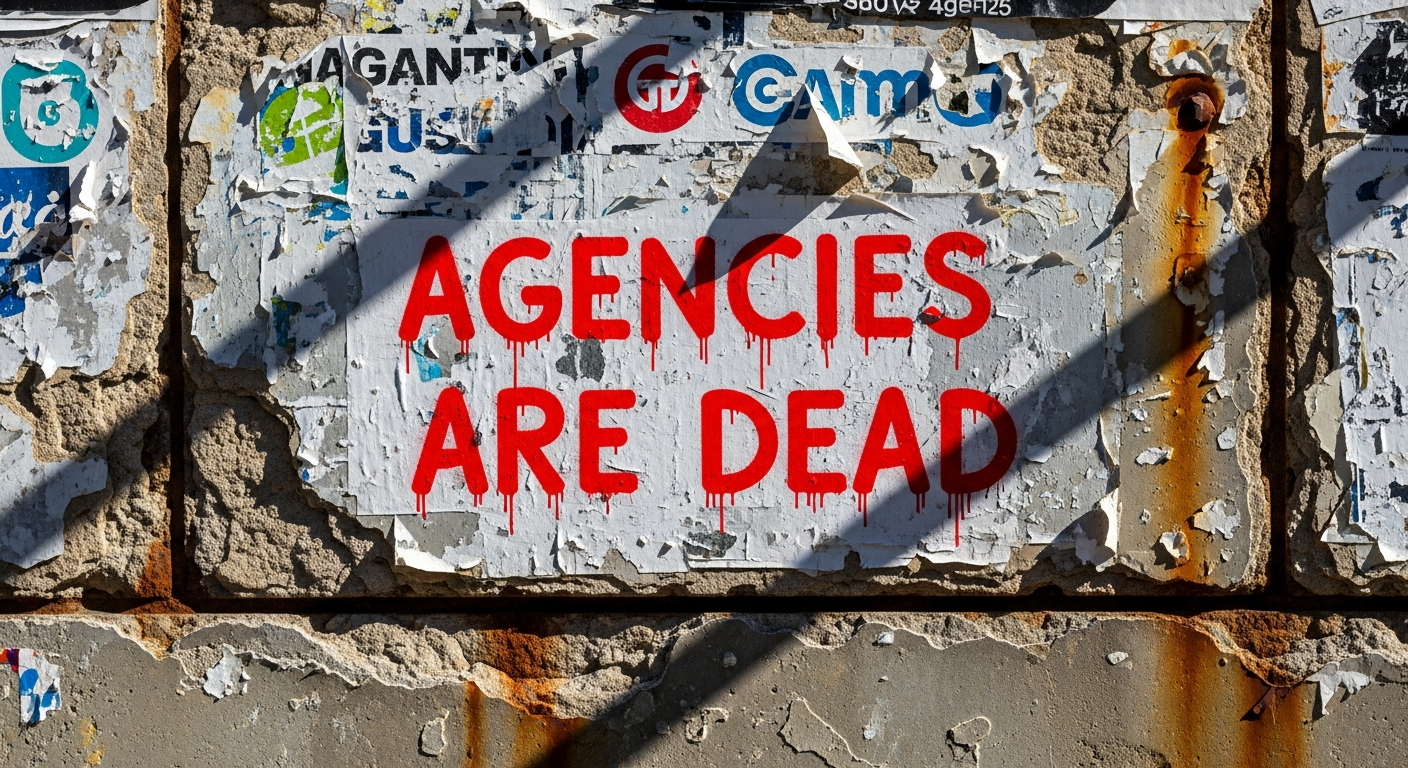
Creator agencies’ entire business model was built on exclusive relationships and discovery. If brands can now search 3 million creators directly through Google, what are agencies selling? The “personal touch”? Curation? That’s not a defensible position when the algorithm just solved the problem.
I wrote about this in “Creator Partnerships & Influencer Agencies Are Dead” — and now the infrastructure confirms it. Brands don’t need middle-men anymore.
Follower Count Means Nothing
The old system rewarded creators with big numbers and verified badges. The new system rewards relevance, engagement, and audience alignment. A creator with 50K hyper-engaged followers in your exact niche now beats a creator with 2M distracted followers.
This is good for creators with real audiences and bad for creators who bought followers or gamed the algorithm. The market corrects itself fast.
Speed Is Everything
Because every brand now has the same access, creator competition is about response time. The brand that moves fastest wins. If a creator gets pinged by 5 brands in the same day, the first one to close gets the deal.
This kills the “let’s think about it” approach. Brands now need systems to respond within hours, not days.
What Brands Need to Do Right Now (If They Want to Win)
Step 1: Audit Your Creator Criteria Before You Search
The tool is only useful if you know what you’re looking for. Before you log into Display & Video 360, define your ideal creator in specifics: audience size, engagement rate, topic, geography, content format (Shorts vs. long-form), and audience demographics.
Most brands don’t know this. They want “influencers.” That’s not a strategy. Define exactly who your audience is listening to, and search for creators who reach that exact person.
Step 2: Build an Internal Response System (Not a Manual Process)
Creators get multiple partnership offers now. If your response time is a week, you’ve already lost. Build a playbook: when the system flags a creator match, who approves the outreach? Who writes the pitch? Who negotiates terms? How fast does this happen?
Brands that move in 24 hours will own this year. Brands that take a week will fight for leftovers.
Step 3: Use the Automated Brand Mention Alerts
The system will tell you when creators mention you organically. Those creators are already fans — they’re the easiest close. Reach out to them first with a partnership offer. They’re already on brand message and already built trust with their audience.
This is the lowest-friction partnership you can make. Don’t sleep on it.
Step 4: Diversify Away From Agency Dependency
If you’re still paying an agency 20-30% to find creators, stop. The tool is free inside Display & Video 360. Invest that commission money in faster response systems, better partnership terms, or higher creator payouts. You’ll win more deals and creators will prefer working with you.
This is the golden window. Agencies haven’t fully collapsed yet, but they’re in hospice care.
What Creators Need to Know (Because Your Visibility Just Changed)
If you’re a creator, you’re now discoverable to every brand in the world searching by your topic, engagement, and audience. That’s the good news. The bad news: so is every other creator in your space.
Optimize Your Channel for Discovery
Make sure your channel metadata is crystal clear: topic tags, audience demographics, upload frequency, and content format. Google’s AI uses all of this to surface you in brand searches.
A creator who cleanly labels their content as “B2B SaaS, AI tools, product reviews” gets found for those exact searches. A creator with messy tags doesn’t get found at all.
Engagement Matters More Than Follower Count
The system prioritizes engagement. If you have 200K followers but 2% engagement, you’ll lose searches to creators with 50K followers and 12% engagement. Stop chasing vanity metrics. Build real audiences.
Respond Fast to Partnership Inquiries
You’re going to get more inbound partnership offers now. Brands are moving faster. If you take two weeks to respond to a partnership inquiry, the brand has already moved to the next creator.
Set up a system. Review inquiries daily. Respond within 24 hours, even if it’s just “Thanks, let me review and get back to you by [specific date].” Speed signals professionalism.
The Bigger Picture: This Is Part of a Larger Pattern
Google’s Creator Partnerships Hub doesn’t exist in isolation. It’s part of a larger shift: Google (and Meta, and Amazon) are collapsing friction from creator discovery, relationship management, and payment.
Five years ago: Brand finds agency → Agency finds creator → Agency negotiates → Agency manages → Agency pays. Take 30%.
Today: Brand searches Creator Partnerships Hub → Brand finds creator → Brand negotiates directly → Brand pays directly. 0% middleman cut.
The economic incentive for agents and platforms to step out of the way is massive. Expect this pattern to accelerate.
But here’s what doesn’t change: you still need good creators, clear briefs, aligned incentives, and fast execution. The tool just removes the friction that was hiding bad strategy.
What Happens Next (And Why Timing Matters)
We’re in a small window right now. Most brands don’t know Creator Partnerships Hub exists. Most brands are still using old methods. Most brands are still paying agency commissions.
By Q4 2026, this will be table stakes. Every brand will be using it. Creator competition will be fierce. Response times will tighten.
The brands that move now — in Q2 2026 when nobody else is moving — will build creator relationships at scale before the market figures it out. You have maybe 4-6 months of asymmetric advantage.
Then the market normalizes, agencies either adapt or die, and everyone’s back to competing on execution instead of access.
The Real Shift
Creator marketing isn’t changing. Finding creators just got a thousand times easier.
That means the winners aren’t the ones with the best Rolodex anymore — they’re the ones with the fastest systems, the clearest briefs, and the best content strategy to actually activate creators once they’re found.
This is exactly the kind of strategic advantage we dig into during a consultation. If you’re serious about building a real creator strategy that actually moves the needle, stop guessing and book a strategy session with me directly at EdwardRippen.com. I work with a small number of companies and founders each quarter — spots are limited, but if you want to move now while the window is still open, let’s talk.
And if you want to understand the full framework for how to build marketing that actually scales — including creator partnerships, audience building, and viral growth mechanics — The Golden Goose Formula lays it all out. Everything I covered here goes 10x deeper in that playbook. Grab it at EdwardRippen.com.
The window is open. The tool is ready. Now you just need the strategy to use it.