
Subculture Marketing: How Real Virality Happens in 2026
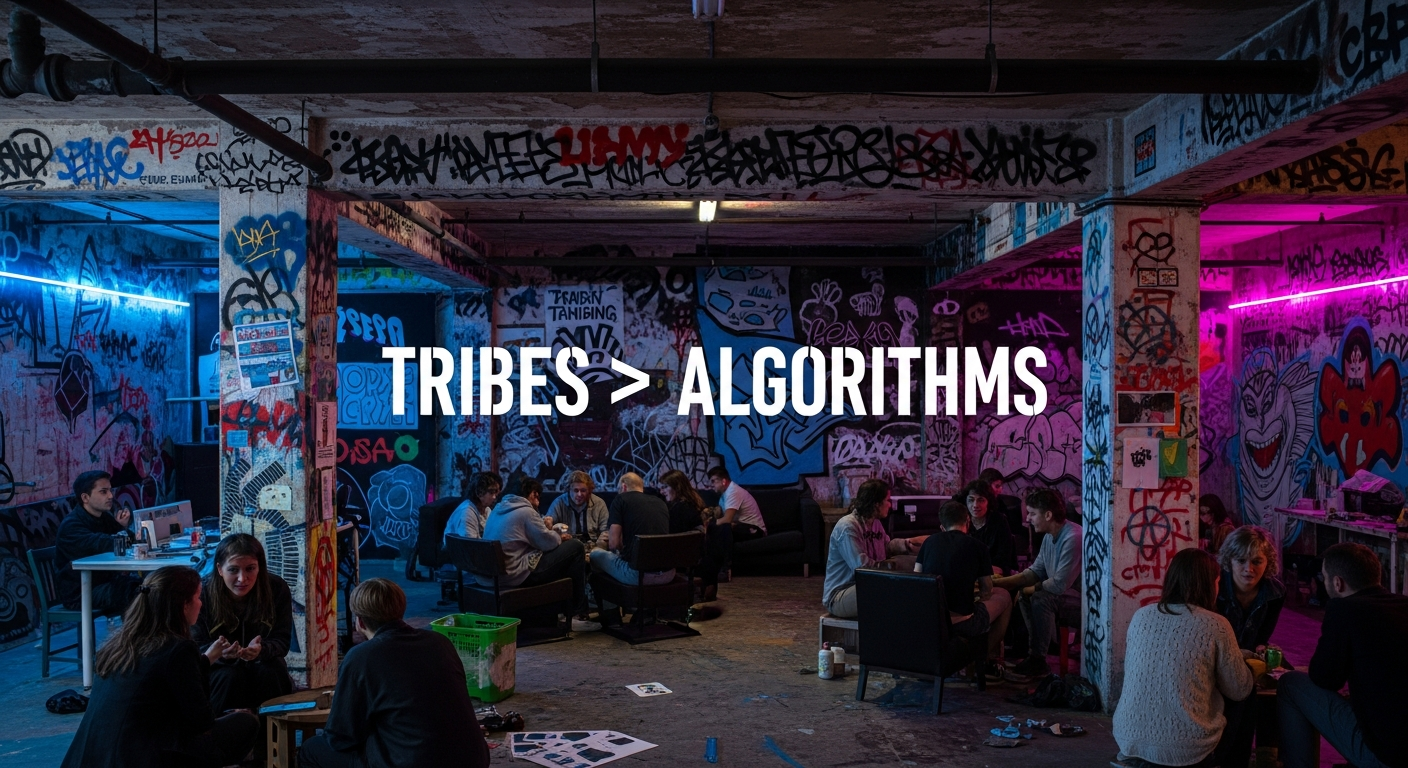
Forget chasing algorithms. In 2026, the brands winning are the ones embedding themselves into communities and subcultures. Here’s the real playbook for making content spread organically where it actually matters.
The Algorithm is Dead. Subcultures Are Your Real Audience.
For the last five years, every marketer has been chasing the algorithm. Post at optimal times. Use trending sounds. Follow the engagement metrics. Feed the feed.
It didn’t work at scale. And in 2026, it’s officially not working at all.
Here’s what I’m seeing: the content that actually goes viral isn’t the content optimized for algorithms. It’s the content that lives inside communities and subcultures — Reddit threads, Discord servers, niche TikTok spaces, gaming communities, hobby-specific Facebook groups, and hyperlocal subreddits. It’s content that solves a problem, speaks the language of a specific tribe, and makes members of that community feel seen.
Virality in 2026 isn’t about reach. It’s about resonance. And that only happens when you stop broadcasting to “everyone” and start building trust with a specific someone.
Why Subcultures Win Over Algorithms
Three big shifts happened that changed the game:
1. Algorithm exhaustion is real. People are tired of algorithmic feeds. The platforms themselves are admitting it — Threads is gaining users because it’s more community-focused. Discord communities are where people actually spend time now. TikTok’s algorithm has gotten so aggressive in trying to make things “viral” that it broke the discovery experience. Users now actively seek out communities where they control what they see.
2. Trust collapses in broad audiences, thrives in small ones. A survey this year found that 70% of consumers now regularly look for user-generated content before buying — double the rate from last year. Why? Because they don’t trust ads. They don’t trust influencers. They trust the opinions of people who are like them — people in their communities. A micro-community of 500 people who all know and respect each other is infinitely more powerful than 500,000 random followers.
3. Subcultures move faster than algorithms. By the time an algorithm recommends a trend, the subculture that created it has already moved on. If you want to lead instead of follow, you need to be inside the subcultures where ideas are born, not waiting for the algorithm to broadcast them to you.
The Three Types of Subcultures You Can Actually Market Into
Not all subcultures are created equal. Some are brand-accessible. Some are hostile to marketing. Some are too niche to matter. Here’s how to identify and infiltrate the right ones:
Type 1: Problem-Solving Communities
These are Reddit threads, Discord servers, and subreddits organized around a specific problem or interest. r/Entrepreneur, r/SaaS, r/marketing, niche fitness communities, coding-specific Discord servers, etc.
These are gold for B2B and productivity marketing. Why? Members joined specifically to solve a problem. They’re actively asking questions. They’re receptive to tools and strategies that help.
Example: If you have a project management tool for remote teams, the DevOps subreddits and remote work Discord communities are where your actual customers are hanging out right now, asking about solutions. Get in there. Answer questions authentically. Share insights. When someone asks “What’s the best tool for [your problem]?” and you’ve been a helpful community member, your recommendation carries weight.
Type 2: Hobby and Passion Communities
Gaming communities, fitness niches, creator communities, hobby-specific subreddits (r/woodworking, r/photography, r/homelab).
These communities have high engagement and strong loyalty — people show up to talk about what they love. Brands that understand the hobby and add value to the community can build incredible loyalty.
Example: Glowforge is a laser cutter brand. Instead of traditional ads, they embed themselves in maker communities. They sponsor community challenges, feature user-created designs, and post in r/Maker. The result? Word-of-mouth dominates their marketing. People are excited to tell other makers about Glowforge because they feel like part of a community, not targets.
Type 3: Aesthetic and Cultural Subcultures
TikTok’s “alt girl” subculture, cottagecore communities, cyberpunk aesthetics, indie sleaze revival. These are more amorphous — organized around vibes, aesthetics, and cultural references more than explicit problems.
These are the hardest to infiltrate authentically, but when you get it right, the loyalty is fanatical. Brands that understand the aesthetic and participate without trying to co-opt it can win big.
Example: Brands like Urban Outfitters, Brandy Melville, and smaller indie clothing companies have built massive followings by understanding cottage-core and alt aesthetics and creating products that fit the subculture’s visual language. They’re not saying “buy our clothes.” They’re participating in the culture.
The Subculture Marketing Playbook: 5 Steps to Actually Do This
Step 1: Identify 3–5 Subcultures Where Your Actual Customer Lives
Not where you think they should be. Where they actually are. If you’re selling SaaS for developers, find the programming Discord servers, GitHub communities, and dev-specific subreddits where your target customer hangs out. If you’re selling fitness gear, find the specific fitness communities (crossfit-adjacent, gym-rat Discord servers, specific strength sports communities).
Pro move: Search job postings for the kinds of people you want to reach. What skills do they have? What tools do they mention? Now find communities where those skills matter. That’s where they spend time.
Step 2: Spend 2–4 Weeks Listening, Not Selling
Join the community. Lurk. Read threads. Understand the inside jokes, the language, the values, the frustrations. Every subculture has its own dialect. If you show up speaking corporate marketing speak, you’ll be sniffed out immediately.
What problems do people complain about? What questions get asked repeatedly? What advice do respected community members give? That’s your competitive intelligence.
Step 3: Become a Helpful, No-Agenda Community Member
Start answering questions. Share insights. Ask thoughtful questions. Contribute to discussions. Build a track record of being useful and non-promotional. In Reddit terms: get karma. In Discord: become someone people recognize and respect.
This takes time. It’s the opposite of a growth hack. But it works because trust is earned, not bought.
Step 4: When You Share Your Offering, Context Matters
Only mention your product when it’s genuinely relevant. And even then, lead with the problem, not the pitch.
Bad: “Hey, if anyone wants to build a SaaS, use my course. Here’s my affiliate link.”
Good: Someone asks “What’s the hardest part of launching your first product?” You respond with a thoughtful answer about the specific challenges (market research, finding your first 10 customers, staying motivated during the 0–$1K revenue phase). Someone asks “Did you encounter this problem too?” You say “Yeah, and here’s what helped me.” If they ask for resources, that’s when you mention your course or guide.
Step 5: Create Content That Lives in the Subculture
Don’t create content for your blog and cross-post it to communities. Create content specifically for the subculture. Memes that only that community will get. Jokes that reference the subculture’s inside language. Answers to the specific problems they’re talking about.
This is why niche TikTok creators blow up: they’re making content that only makes sense to their subculture. The outsiders don’t understand it. The insiders absolutely do. And the algorithm actually doesn’t matter — the community shares it among themselves.
Real Examples of Subculture Marketing That Worked in 2026
Reddit B2B Arbitrage: Companies figured out that r/startups, r/SaaS, and r/entrepreneur are where early-stage founders actually hang out. Instead of spending $10K on ads, they spend $50/month on Reddit, participate authentically in threads, and when a founder says “We need help with customer retention,” a community member they’ve been chatting with for weeks says “We built a solution for exactly this.” Conversion rates? Infinitely better than cold outreach.
Gaming Communities: Brands like Corsair (gaming peripherals) don’t advertise in gaming communities. They sponsor tournaments, stream on Twitch, engage with gaming culture. Gamers buy Corsair not because of ads, but because they see pro gamers using it and community members recommending it.
Discord Exclusivity: High-end brands have started creating private Discord servers for customers and superfans. The subculture here is “we’re part of something exclusive.” That exclusivity is infinitely more powerful than broadcast advertising.
Alt TikTok Communities: Fashion and lifestyle brands that understand alt TikTok (cottagecore, dark academia, cyberpunk aesthetics) by creating products and content that fit the subculture’s visual language have seen 10x higher engagement than brands trying to be “relatable” to everyone.
The Biggest Mistake Brands Make
They try to infiltrate a subculture with their brand voice, their corporate language, their agenda. It never works. Communities can smell inauthenticity from a mile away.
The brands winning in subculture marketing are the ones that: (1) genuinely care about the subculture, (2) have founders/employees who are actually members of that subculture, and (3) are willing to participate without trying to extract value immediately.
This is the opposite of paid ads. It’s the opposite of influencer partnerships. It’s authentic, it’s slow, and it works at a scale that traditional marketing can’t touch.
What Changes for You Right Now
If you’re running marketing in 2026, you need to shift from “How do I reach the most people?” to “How do I become an insider in the communities where my customers actually spend time?”
This means: audit your current marketing. How much of your budget goes to algorithm-chasing (paid social, broad reach, going viral to strangers)? How much goes to actually building relationships in the communities where your customers live?
For most brands, the ratio is 90/10 in the wrong direction.
Here’s the hard truth: subculture marketing isn’t scalable in the traditional sense. You can’t do it once and let it compound like a viral video. You have to show up consistently, authentically, and with no expectation of immediate return. But the brands that do this — the ones that are actually members of the communities they serve — are the ones building real, defensible customer bases that can’t be disrupted by the next algorithm change.
The window for this is now. Every day, subcultures are becoming more powerful and algorithms are becoming more useless. The brands moving fastest into genuine community-building are going to win the next five years of customer acquisition.
Stop chasing virality. Start building community. That’s where the real growth lives in 2026.
Your Next Move
If you’re serious about building a marketing strategy that actually works for the communities your customers live in, this is exactly the kind of thing we dig into during a strategy session. Spots are limited, and I work with a small number of companies each quarter. If you want a real plan built around your subcultures, book a consultation at EdwardRippen.com.
And if you want the full system for building growth that doesn’t depend on algorithm changes or paid ads, pick up The Golden Goose Formula. It’s built exactly for this moment — when subcultures matter more than reach, and trust matters more than impressions. Get it at EdwardRippen.com.
The brands that win aren’t the ones with the biggest budgets. They’re the ones who show up as members of the communities they serve. Be that brand.